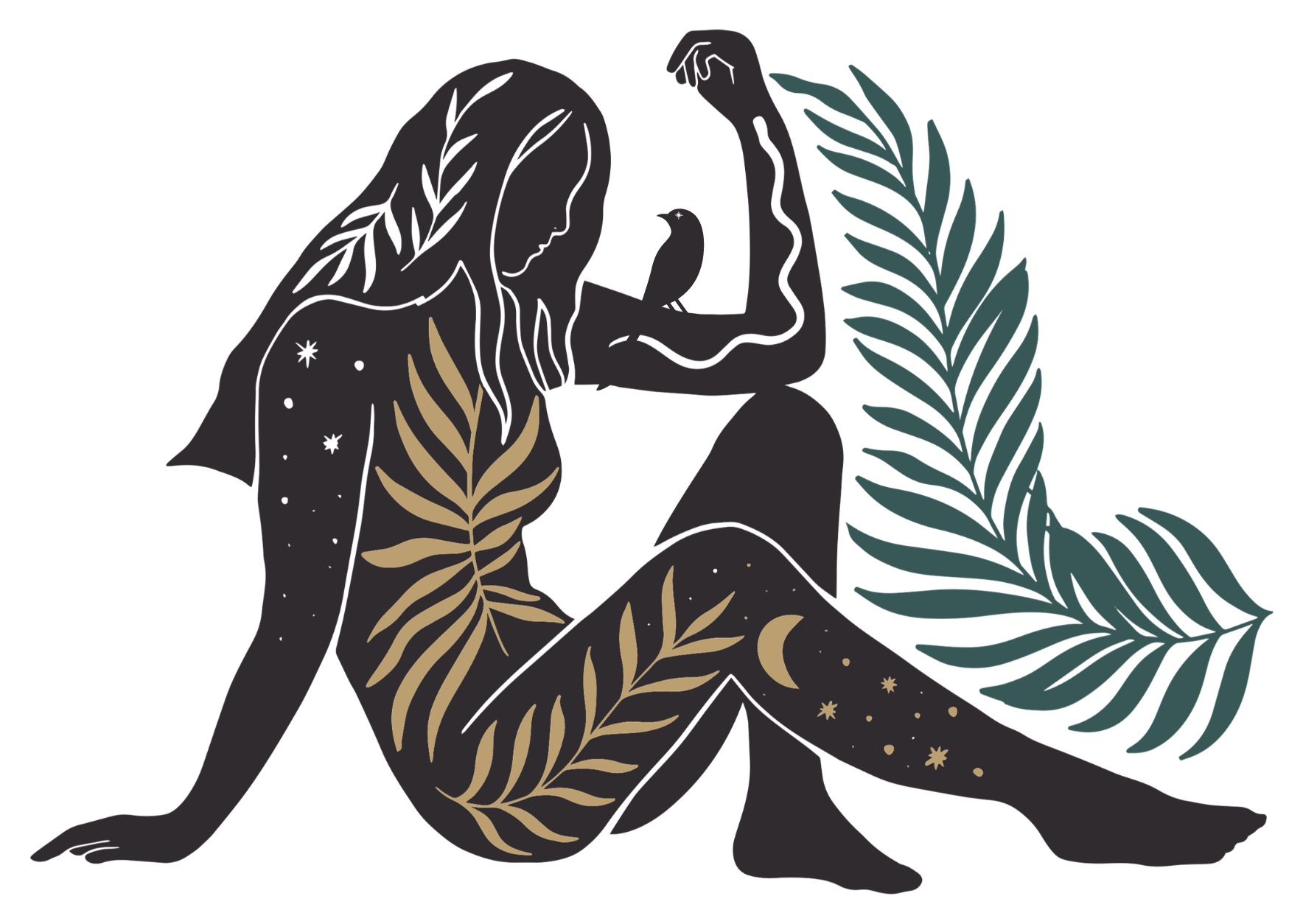
The Body as Our First Earth-Listening Instrument
Our bodies are nature sensing itself, not merely vessels through which we experience it: one of our most valuable channels for listening to the living world.

We are Earth, sensing itself
Rooting for Earth begins with a simple recognition: we are not separate from the Earth. We are Earth.
Our bodies are composed of the same elements, minerals, water and organic matter that circulate through the wider living world. We are an expression of Earth's living systems, not observers standing outside them.
Put another way: our bodies are nature, sensing itself, not vessels standing apart from it.
The body as a listening channel
For R4E, the body is therefore one of our most valuable listening channels. Before we can learn to listen to forests, rivers, soils, animals or ecosystems, we can begin by becoming more attentive to the intelligence already moving through our own bodies.
The body continuously senses changes in temperature, light, season, nourishment, stress, safety, rhythm, place and relationship. It responds to the living world before the conscious mind has necessarily formulated an explanation.
We begin with the body. We remember that the body is Earth. And from that place of belonging, we begin to listen outward.
A pathway back into belonging
Reconnecting with the body can therefore become a pathway back into ecological belonging, one that draws several ways of knowing into relationship rather than replacing one with another: scientific observation, ecological knowledge, embodied sensing, cultural knowledge, intuition and direct experience.
The body was never going to provide all the answers on its own. The real question is whether we have become so disconnected from our own embodied experience that we have forgotten one of our most fundamental capacities: the ability to listen.
R4E therefore treats embodied sensing as a potential starting point for developing a deeper relationship with the more-than-human world.
Frequently asked questions
What is somatic ecology, and how does it relate to embodied sensing?
Somatic ecology explores how the body senses and responds to the living world around it. Embodied sensing is the everyday practice version: paying attention to what your body notices, feels and responds to as one source of ecological information.
What is deep listening, in an ecological sense?
Deep listening means attending fully to another being, whether human, animal, plant or landscape, without immediately interpreting, judging or responding. In an ecological sense, it means offering the living world that same quality of attention.
How can I start listening to nature through the body in daily life?
Start small: notice how your body responds to weather, light, season or a particular place, before naming or explaining the reaction. A daily walk, a few minutes sitting outside, or simply noticing your breath outdoors are all accessible starting points.
How does embodied sensing relate to scientific and ecological knowledge?
Embodied sensing works alongside scientific and ecological knowledge as one additional way of knowing, rather than a replacement for it. R4E treats bodily attention as a valid source of information, to be held alongside observation, data and established ecological science.